


Case Study
How Sonos Cut 11 Days While Doubling Output
See how Sonos cut 11 days from global email production while doubling output with AI-powered creative workflows.
5 min read
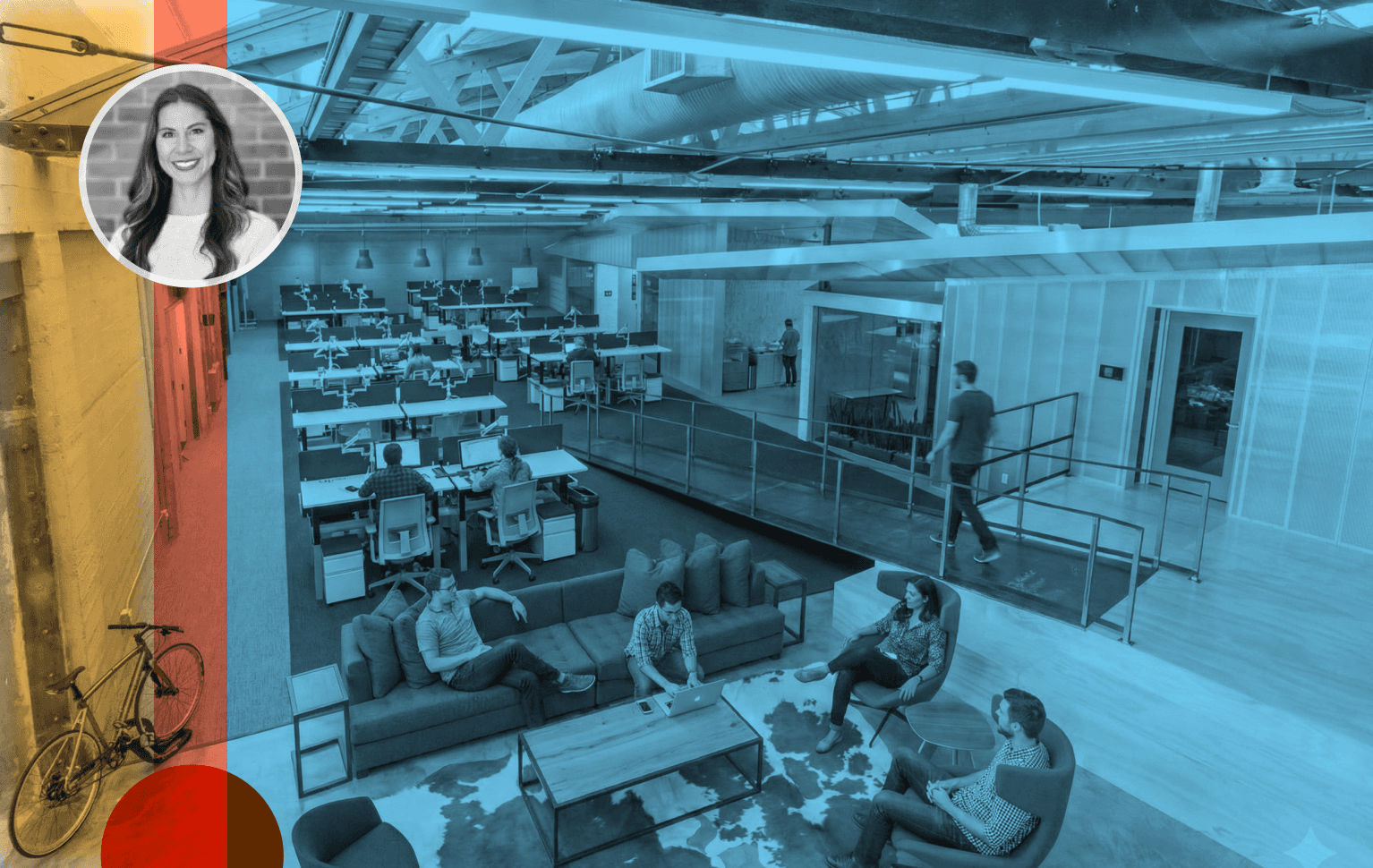
Scaling the Sound of Sonos: How AI Transformed Global Email Production
For a brand like Sonos, identity is everything. As a leader in wireless multiroom audio, their creative assets need to be as compelling and premium as the sound their products deliver. However, maintaining that high bar of quality while executing a high-volume, global email program covering 27 countries and languages presented a significant logistical challenge.
Rachel Dudley from Sonos recently shared how the company leveraged Denada, an AI-powered creative platform, to solve the friction between "lean teams" and "global scale."
Here is how Sonos successfully integrated AI to slash production times and empower their marketing teams.
The Challenge: Global Scale vs. Lean Resources
The core tension for Sonos was simple: they are a massive global brand operating with a relatively lean internal brand team. This team services the entire marketing organization, creating a natural bottleneck.
The specific hurdles included:
Throughput issues: Supporting regional variations across the globe required a volume of assets that was difficult to produce manually.
Slow time-to-market: The traditional creative process was lengthy.
Localization costs: Translation and regionalization were time-consuming and expensive endeavors.
Sonos needed a solution that could increase throughput without sacrificing the distinct brand identity that defines them.
What Sonos Looked for in an AI Partner
When evaluating AI tools, Sonos wasn't just looking for "fast." They established four strict criteria to ensure the technology actually served their business needs:
Creative Quality & Brand Alignment: The tool had to ingest brand guidelines, lifestyle imagery, and product renders to "learn" the subject matter. It needed to produce work that felt like Sonos.
Workflow & Integration: The UI had to be intuitive for non-technical users and integrate seamlessly with existing tools like Braze and Figma.
Speed & Innovation: They needed a partner with a collaborative roadmap and rapid localization capabilities.
Templating & Control: The ability to customize within specific design system boundaries was non-negotiable.
Implementation: From Zero to Live in 3 Weeks
One of the most impressive aspects of this transformation was the implementation speed. Sonos wanted a low barrier to entry, and they got it.
The "Heavy Lifting" Approach:
Sonos sent Denada their brand guidelines, Figma library, asset library, and Braze templates. The vendor built the instance for them.
Build Time: Under 2 weeks.
Training: A few sessions with campaign managers and technical production teams.
First Test: Live within 3 weeks of kickoff.
Key Insight: By having the vendor handle the initial setup of assets and guidelines, Sonos avoided the "blank slate" paralysis that often stalls AI adoption.
The Results: Shaving Off 11 Working Days
The impact on efficiency was immediate and measurable. By moving creative development and localization into the AI platform, Sonos drastically reduced their "soup to nuts" production timelines.
Process Comparison: Before vs. After
Metric | Traditional Process | With AI (Denada) |
Total Production Time | 20 – 41 Days | 8 – 12 Days |
Creative Feedback Loop | ~10 Days | Rapid / Instant |
Localization | ~2 Weeks (Manual Agency) | Integrated & Fast |
The Strategic "Unlock"
Beyond just speed, the tool provided an unexpected cultural benefit: Autonomy.
Rachel Dudley noted that the tool empowered campaign managers and strategists to operate autonomously within the brand guidelines. They could iterate on briefs and concepts without burning out the creative team with constant minor revisions.
Reduced Churn: Eliminates the back-and-forth "feedback loop" that eats up time.
Increased Variation: Allows for rapid prototyping of creative variations based on audience, seasonality, or region.
Quality Assurance: Proved that AI could produce quality that satisfied a skeptical brand team.
Conclusion
Sonos’ experience proves that integrating AI into creative workflows isn't just about cutting corners—it's about removing friction. By shaving 11 working days off their process, Sonos didn't just save time; they freed up their strategic teams to focus on messaging and their creative teams to focus on big-picture innovation, rather than manual localization.
View more articles
Learn actionable strategies, proven workflows, and tips from experts to help your product thrive.


