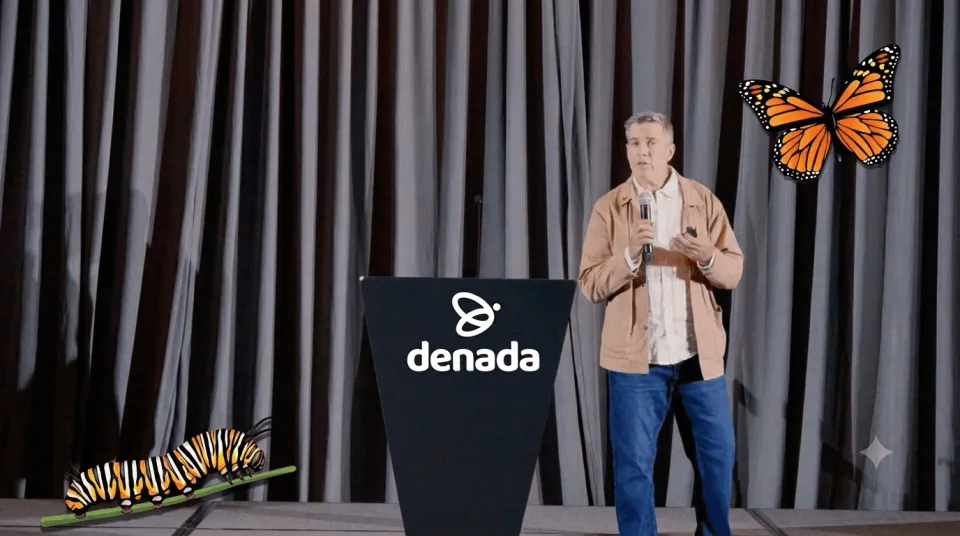
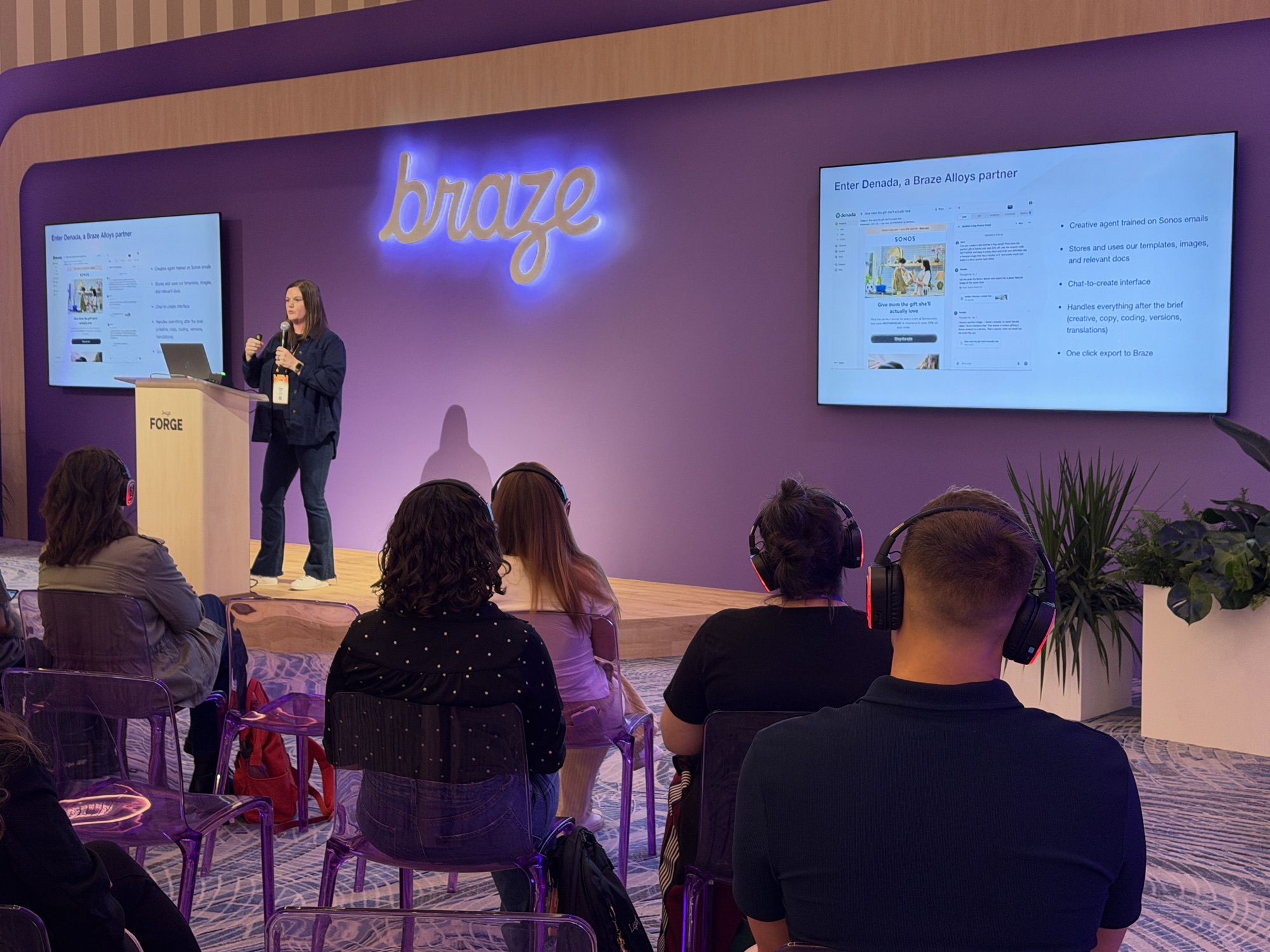
On Tuesday, September 29, Libby Croak, Director of Lifecycle Marketing at Sonos, presented “Scaling Creativity: How Sonos Built an AI-Powered Email Engine” at Braze Forge.
About 40 people came. Most of their questions were about one thing: agentic workflows. What do they look like in practice, and do they actually work?
Libby can answer that from experience. Sonos installed Denada in 2024. More than two years and thousands of agentic sessions later, it’s how her team makes email.
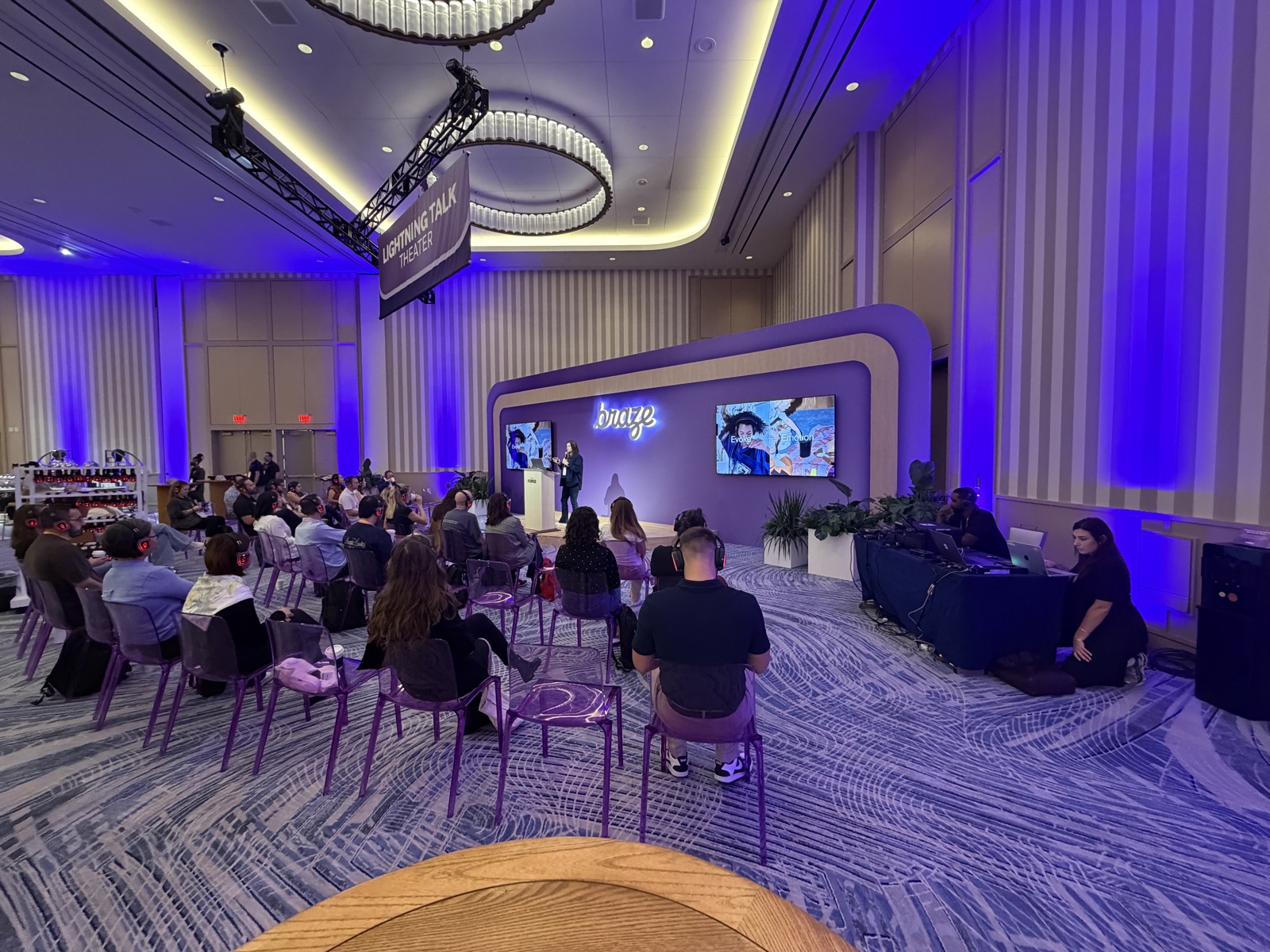
The Problem: A Big Program and a Small Team
Sonos is a premium wireless audio brand with a distinct look and voice. Protecting that brand was the top priority when Libby’s team evaluated AI partners.
Here’s the program they had to support:
- 25 language and country variants
- About 880 million emails delivered a year
- Six to eight weeks to create a campaign, end to end
- One copywriter and one designer, shared with other channels and teams
- Two-week turnaround for localized copy
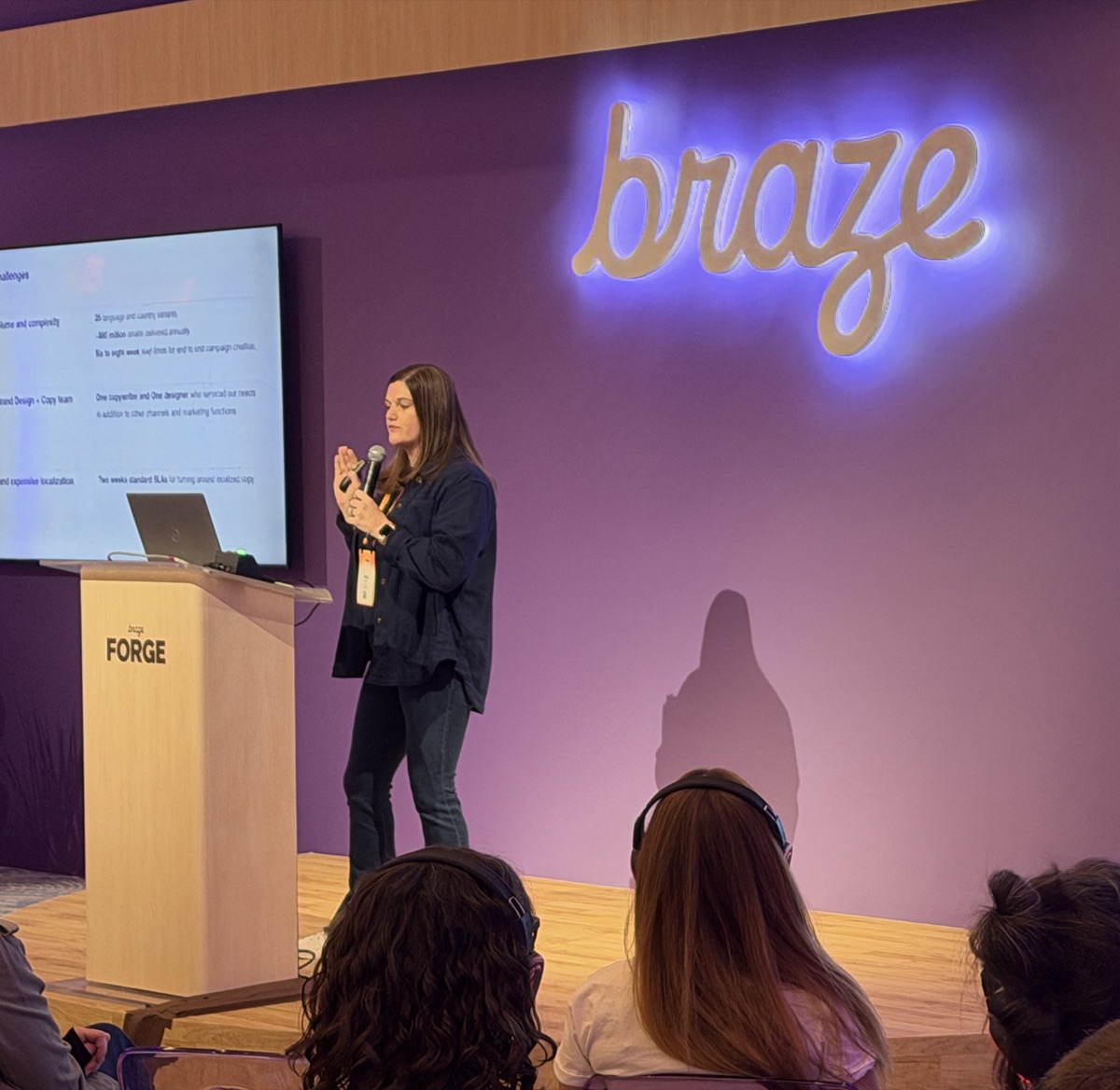
High volume, a lean creative team, and slow, expensive localization. Every campaign waited in line.
What Sonos Needed From AI
Speed couldn’t come at the cost of the brand. Libby’s team judged every tool on four things:
- Quality creative: learns brand guidelines, adapts tone over time, supports templates and customization
- Workflow integration: a simple UI, works with Braze and Figma, easy review and approval
- Content optimization: A/B test support, personalization variants, rapid prototyping
- Speed and innovation: fast onboarding, a shared roadmap, quick platform updates, localization
Why Sonos Chose Denada
Sonos chose Denada, a Braze Alloys partner. Libby described what they got:
- A creative agent trained on Sonos emails
- One place for their templates, images and docs
- A chat-to-create interface
- Everything after the brief handled: creative, copy, coding, versions and translations
- One-click export to Braze
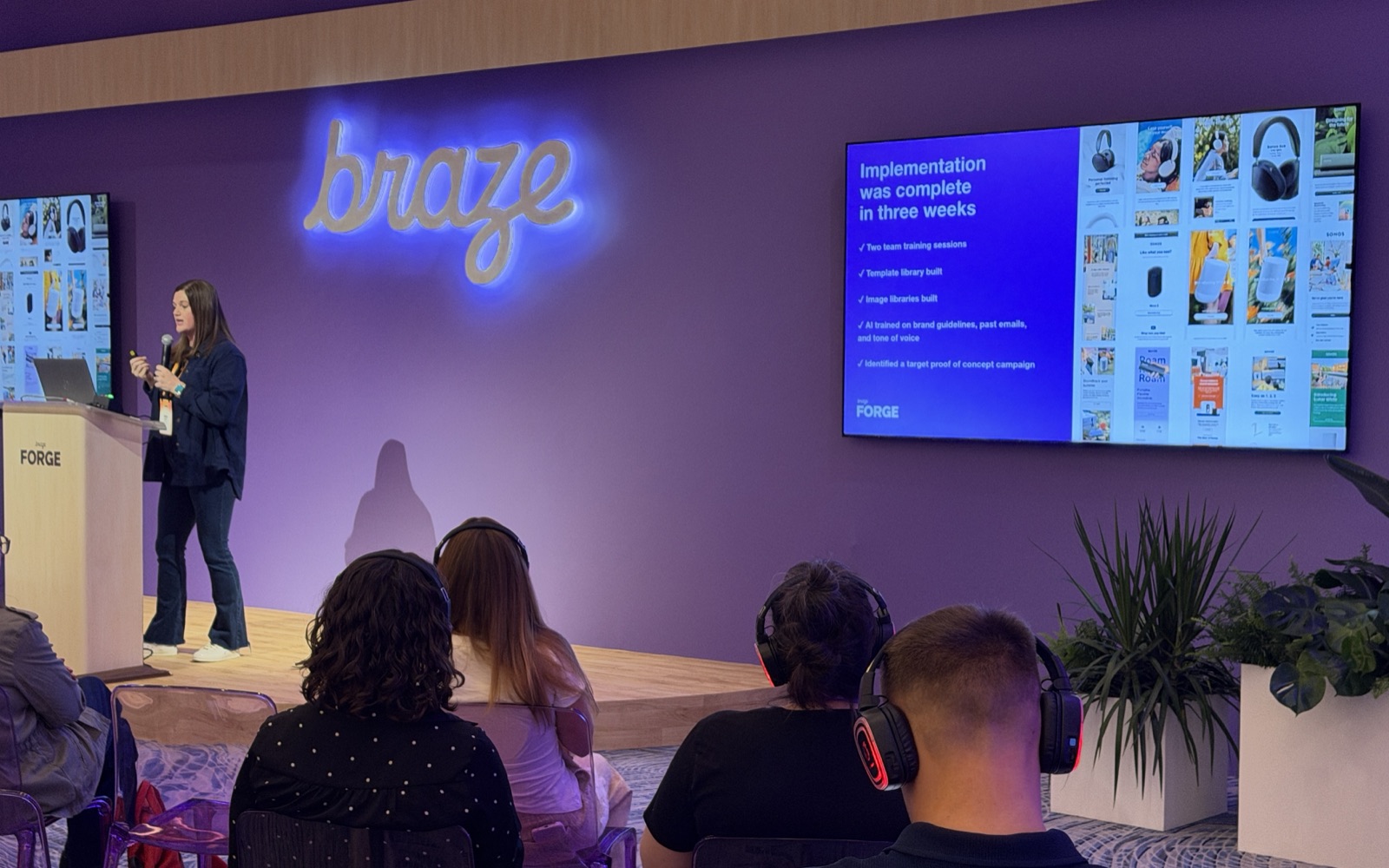
Implementation took three weeks. That covered two team training sessions, a template library, image libraries, training the AI on Sonos brand guidelines, past emails and tone of voice, and picking a proof-of-concept campaign.
How It Works Day to Day
- Upload a brief or write a prompt
- Denada designs and codes the first draft
- Make changes in chat, or edit directly
- Tag or share with stakeholders
- Approve
- Export to Braze
Libby’s point: the process stopped being a relay race. A linear chain of handoffs became one working loop.
The Results
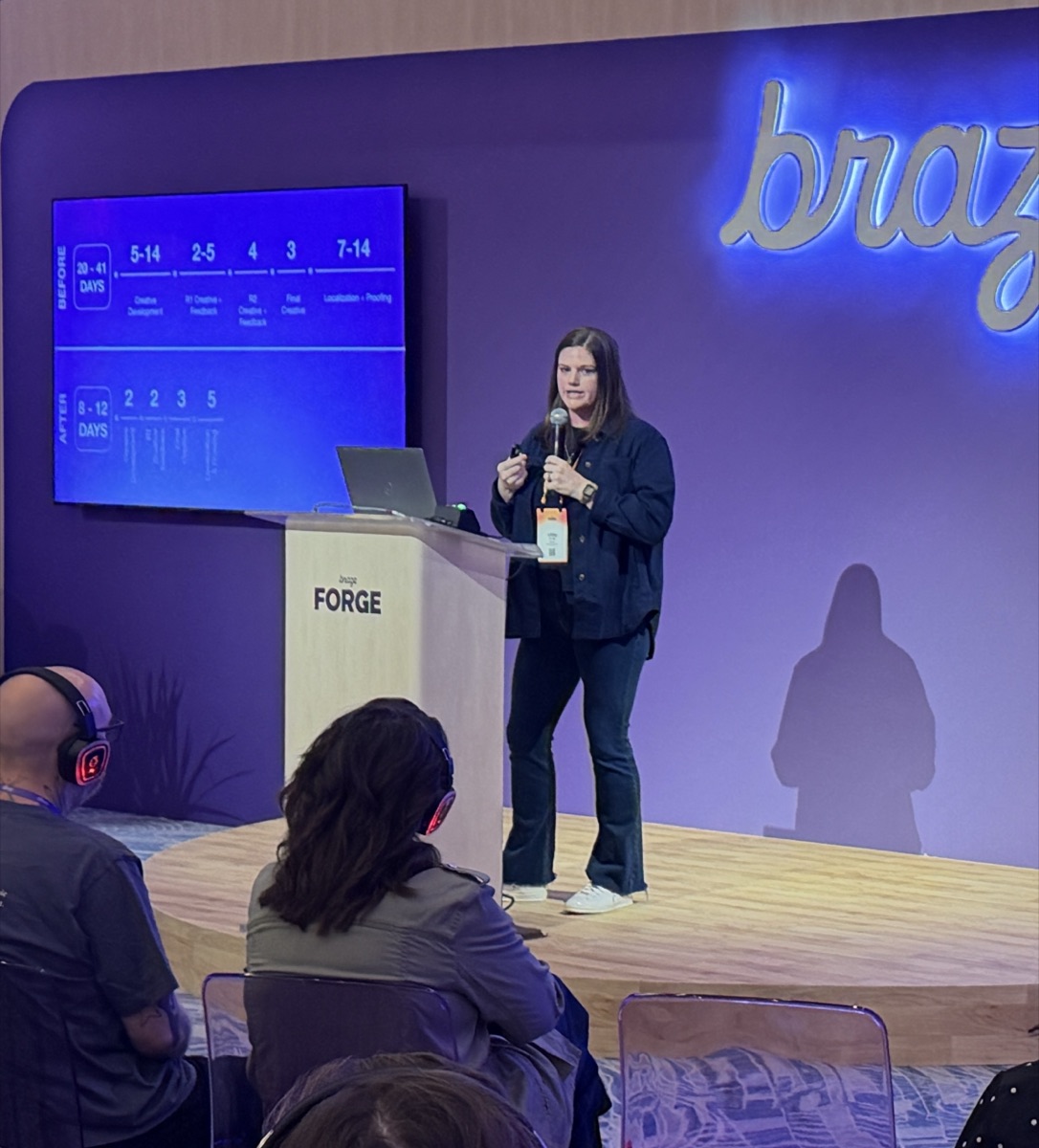
Before Denada, getting to final creative took 20 to 41 working days. Now it takes 8 to 12. The second round of creative and feedback is gone completely.
| Stage | Before (working days) | After (working days) |
|---|---|---|
| Creative development | 5–14 | 2 |
| Round 1 creative + feedback | 2–5 | 2 |
| Round 2 creative + feedback | 4 | — |
| Final creative | 3 | 3 |
| Localization + proofing | 7–14 | 5 |
| Total | 20–41 | 8–12 |
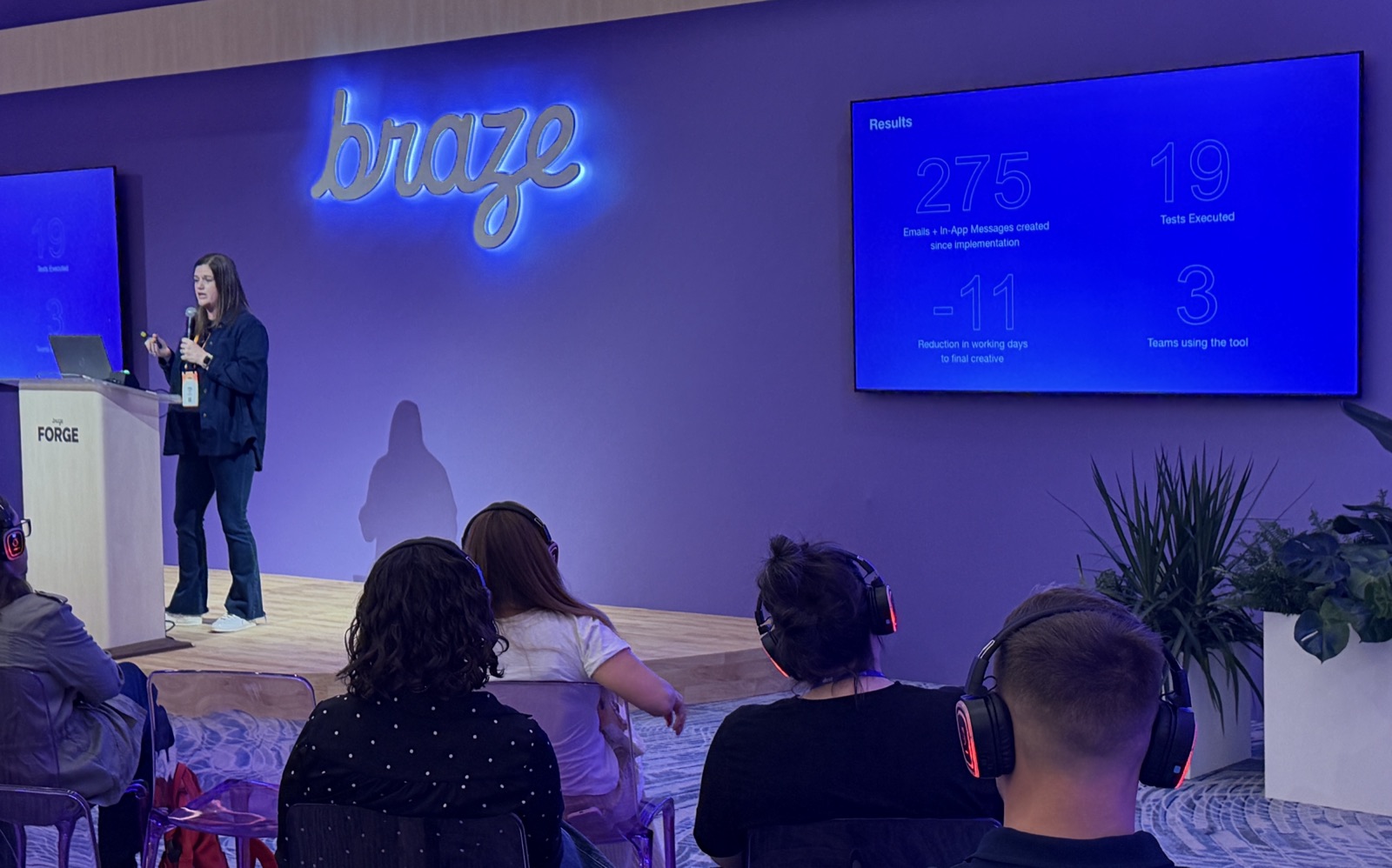
- 275 emails and in-app messages created since implementation
- 11 fewer working days to final creative
- 19 tests run
- 3 teams using Denada
Marketers Who Create
The bigger change is who makes the email.
Sonos’ lifecycle marketers no longer wait on a shared copywriter and designer for every campaign, version and translation. They brief Denada, review the draft, get approval and send it to Braze.
The creative team still owns the brand and the deeper storytelling. Marketers handle the rest themselves.
Libby’s Pro Tips
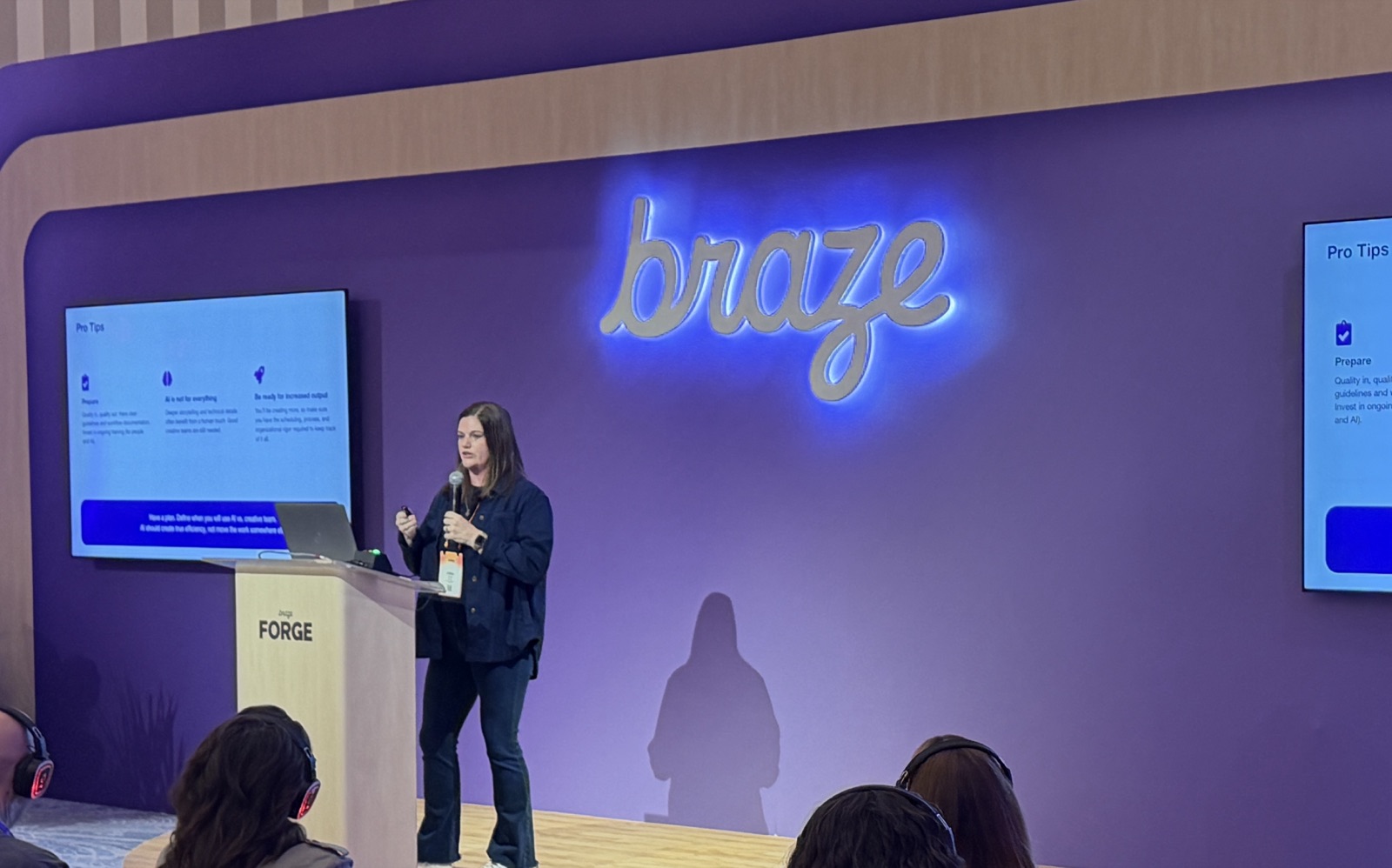
- Prepare. Quality in, quality out. Have clear guidelines and workflow documentation. Keep training your people and your AI.
- Have a plan. Decide when you’ll use AI and when you’ll use the creative team. AI should create real efficiency, not move the work somewhere else.
- AI isn’t for everything. Deeper storytelling and technical detail often benefit from a human touch. You still need a good creative team.
- Be ready for more output. You’ll create more, so have the scheduling, process and organization to keep track of it all.
Our Take
Agents were the topic at Braze Forge this year. Most of what we heard was plans. Libby showed two years of real results from a global brand.
Want to see what that looks like for your team? Book a demo.